SHARE ON
YOU MAY ALSO LIKE:
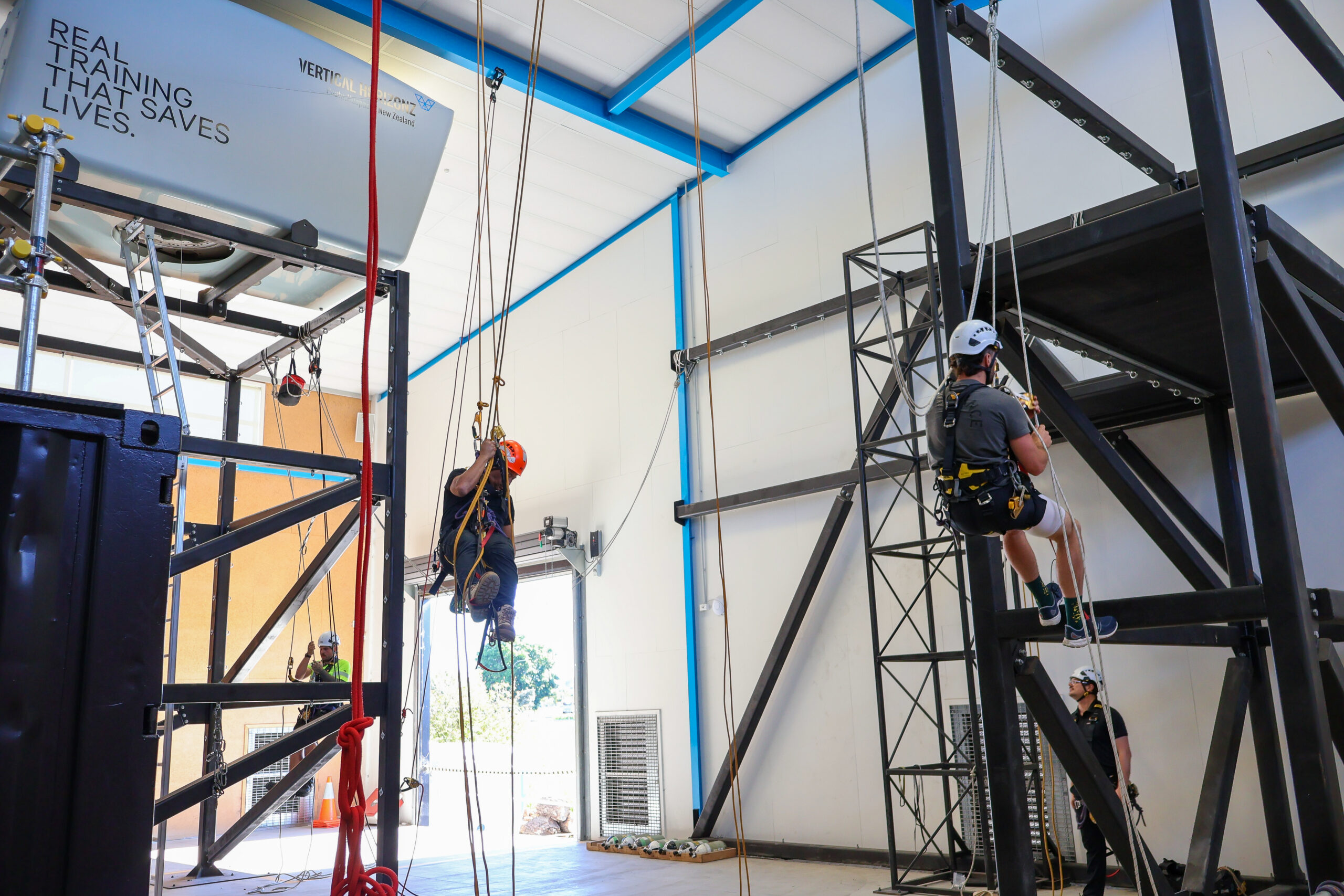
Funded training, a dramatically reduced IRATA cost, and a delivery model built around real work readiness make this one of the most direct ways into rope access right now. For anyone who’s been sitting on the fence, this is the push.
Vertical Horizonz New Zealand (VHNZ) are breaking down the historical barriers that are often found with new entrants into the industry. Cost, time taken to get certified and choosing the right pathway are removed through this new offering. With the new dual-qualification, combining NZQA and IRATA, people can get job-ready faster, without watering down the standards.
For eligible domestic learners, the New Zealand Certificate in Industrial Rope Access (Level 3) is fully funded, and the internationally recognised IRATA qualification is available for just a $250 administration and certification fee. That’s a significant shift in an industry where IRATA Level 1 training alone typically costs around $2,000.
The Problem: Too Slow, Too Expensive, Too Fragmented
Rope access is a high‑skill, high‑trust industry. Employers want technicians who are trained properly, understand safety systems, and can perform confidently on the ropes from day one.
But traditionally, getting there has meant:
The result? Capable people delay entry, or don’t enter the industry at all, while employers struggle to find trained technicians.
The Solution: One Pathway, Two Credentials, Less Time to Work
VHNZ’s new dual pathway brings together:
Instead of jumping between providers or repeating similar training, learners follow one streamlined programme that builds both NZQA and IRATA‑aligned capability together.
The full qualification journey runs over approximately 6–10 months, but the structure is intentionally front‑loaded to get learners moving quickly:
This means learners are gaining experience and industry exposure early, not waiting months before they ever touch the ropes.
Graduates finish with a nationally and internationally recognised qualifications and logged on‑rope hours, the stuff employers actually care about when they’re hiring. That means less “we’ll train you up from scratch” and more “when can you start?” For companies, it’s a faster path to competent technicians who can contribute sooner
The industry doesn’t need more people stuck in training. It needs technicians who can get on the ropes and do the work. This pathway delivers exactly that, without the usual price tag or delays. Funded, focused, and aligned with what employers want. It’s an opportunity that won’t stay under the radar for long. More info on the Dual Qualification Rope Access Pathway here!
SHARE ON
YOU MAY ALSO LIKE: